

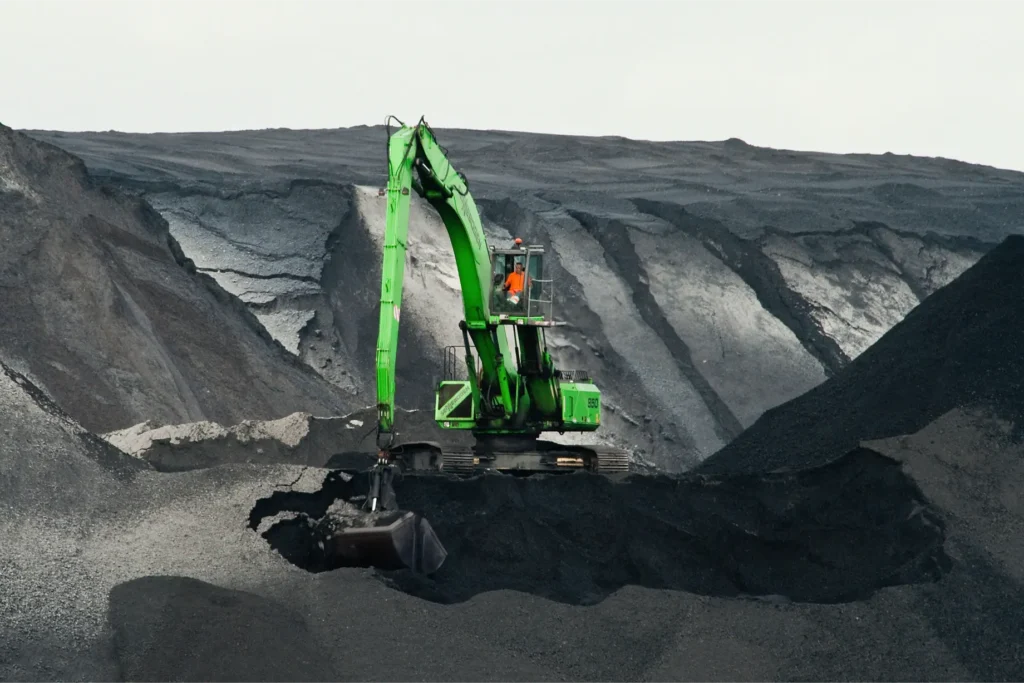
Indonesia’s mining industry is rich in natural resources, but exporting these minerals—especially coal, nickel, and tin—requires navigating a complex regulatory landscape. Understanding these rules is essential for smooth trade operations, both for local producers and international buyers.
The Regulatory Framework Mineral export in Indonesia is governed by the Ministry of Energy and Mineral Resources (ESDM) and the Ministry of Trade. Exporters must comply with:
- Export licenses (ET – Eksportir Terdaftar)
- Clean and Clear (CNC) certification
- Surveyor reports and export permits (PEB)
Why Regulations Are Important These policies aim to:
- Prevent illegal mining and exports
- Ensure environmental sustainability
- Promote domestic downstream industries
Challenges in Compliance Many mining companies struggle with:
- Bureaucratic delays
- Frequent policy changes
- Complex documentation
Tunas Wira Sakti’s Approach At PT Tunas Wira Sakti, regulatory compliance is a core focus. With a dedicated export management team, they handle all the necessary licenses, surveys, and export reporting—allowing clients to focus on production and delivery.
The Value of Compliance in Global Trade Buyers from Europe, Asia, and the Americas trust suppliers who follow legal and ethical sourcing practices. Working with a compliant partner like TWS builds credibility and opens access to more demanding international markets.
Conclusion In Indonesia, understanding and mastering export regulations is key to long-term success. Companies that prioritize compliance, like PT Tunas Wira Sakti, help build a mineral export industry that’s legal, efficient, and globally respected.